

Buying a second home is often evaluated through one number: the purchase price.
But the real cost of ownership extends far beyond what you pay at closing.
For buyers considering a vacation home, especially in another city or country, understanding the ongoing financial and operational commitment is essential.
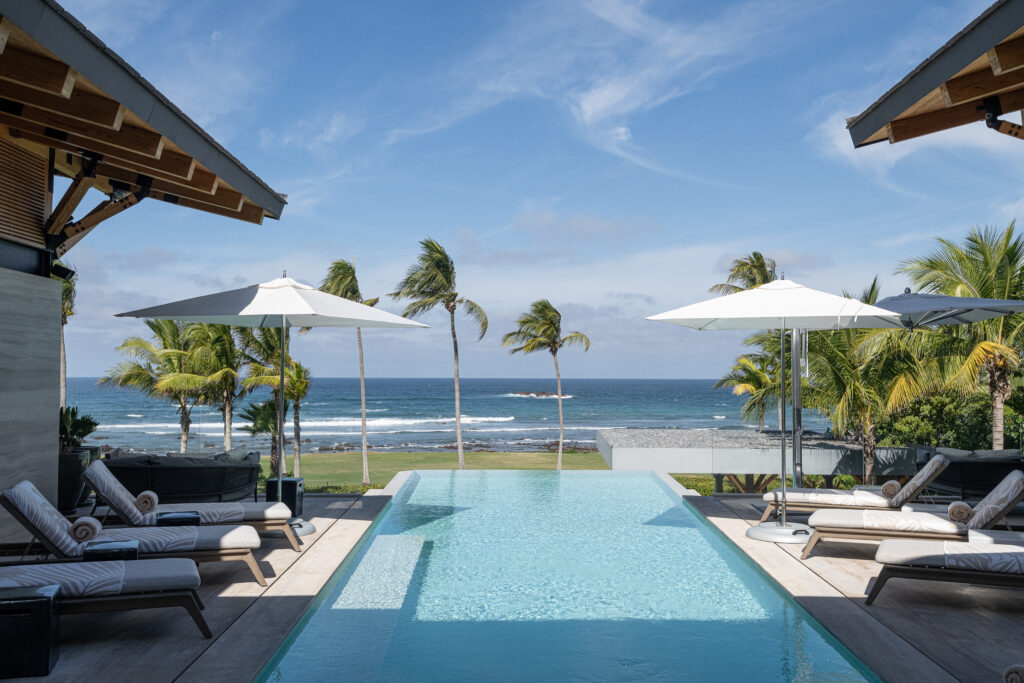
The Purchase Price Is Only the Beginning
A second home continues to generate expenses whether you are using it or not. Depending on the property, those costs may include:
- Property taxes
- HOA fees
- Insurance
- Utilities
- Cleaning
- Landscaping
- Pool maintenance
- Repairs
- Security
- Property management
- Furniture and appliance replacement
Luxury properties can require even more attention due to larger outdoor spaces, specialized systems, premium finishes, and additional amenities.
Maintenance Is an Ongoing Responsibility
Second homes often spend significant periods unoccupied, but that does not mean they require less care.
Regular inspections, preventive maintenance, vendor coordination, cleaning, and repairs still need to happen between visits.
For owners who live far away, managing these details can become one of the least visible but most time-consuming—parts of ownership.
There Is Also a Cost to Capital
Beyond recurring expenses, buyers should consider how much capital they are committing to a property they may only use part of the year.
For some families, full ownership makes perfect sense.
For others, tying up significant capital in an underused home may not be the most efficient structure.
This is where the conversation moves beyond affordability and toward ownership efficiency.
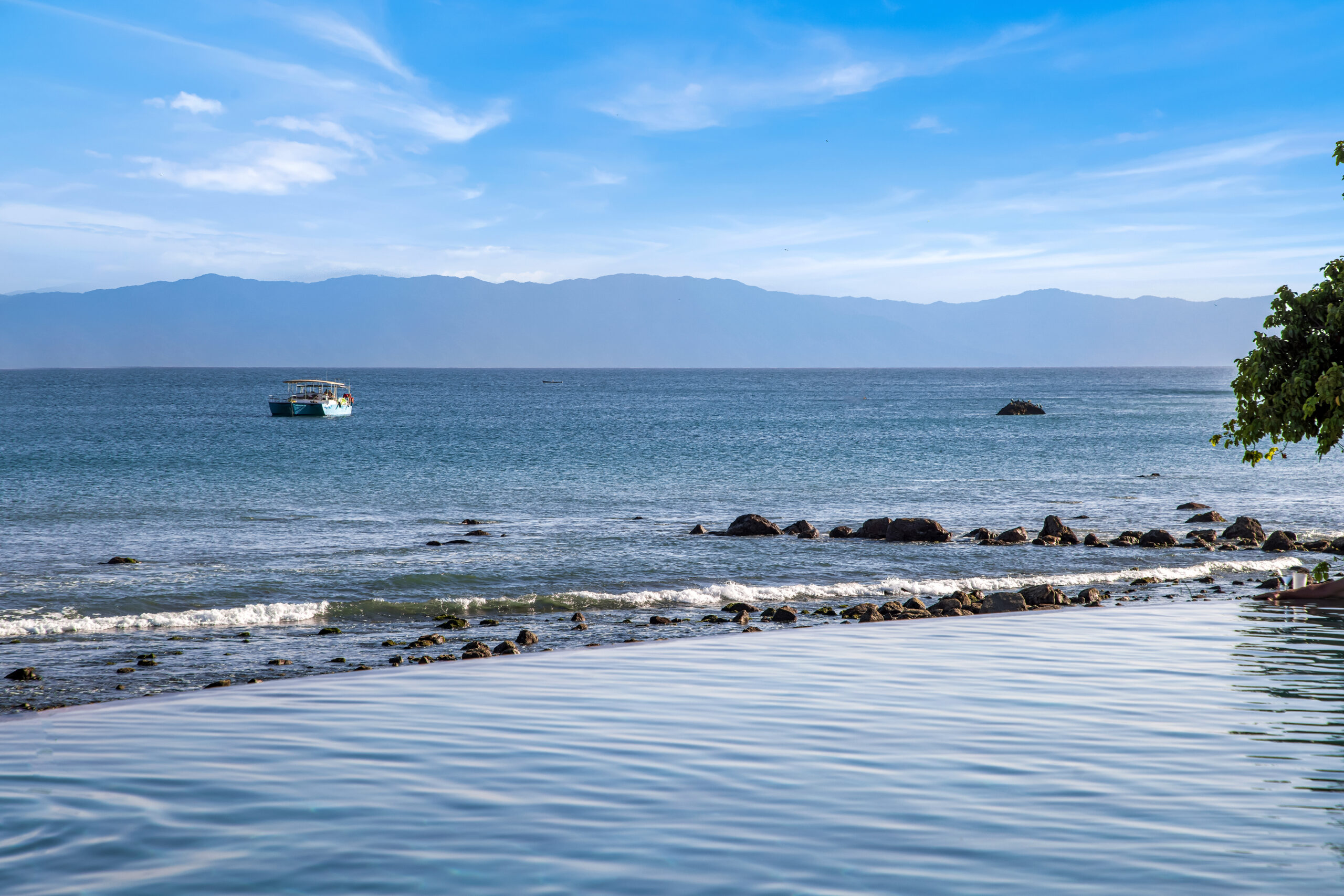
Full Ownership vs. Co-Ownership
Traditional ownership gives one household full control of the home, along with the full financial and operational responsibility.
Co-ownership offers another structure.
Multiple owners participate in ownership of a specific residence, while costs, use, and management are organized through a defined system.
For families who want a high-quality second home without carrying 100% of the cost and responsibility alone, that can create a closer relationship between ownership and actual use.
A More Efficient Ownership Model
Casana was designed around this idea.
Owners participate in a high-end second home while Casana manages the calendar, maintenance, administration, and day-to-day property operations.
The goal is not simply to make a second home less expensive.
It is to make ownership more aligned with how families actually use a vacation property.
The Better Question
When evaluating a second home, the question is not only:
Can I afford this property?
It is also:
Does this ownership structure make sense for how much I will actually use it?
For many buyers, that distinction can completely change the decision.
Explore Casana’s approach to modern second-home ownership.