

Buying a second home in Mexico can be an exciting decision, especially for families looking for more time by the ocean, a stronger connection to a favorite destination, or a place to return to year after year.
But choosing the right home is only part of the decision.
Before focusing on architecture, views, amenities, or location, it is worth considering a more fundamental question: how do you actually want to own and use your second home?
For many buyers, the answer depends on how often they plan to visit, how much capital they want tied to the property, how involved they want to be in maintenance and operations, and which ownership structure best fits their lifestyle.
A second home can be deeply rewarding. It can also come with ongoing responsibilities that are easy to underestimate before purchasing.
Understanding those realities early can help buyers make a more informed decision.
Start With How You Will Actually Use the Home
One of the most useful questions when buying a second home in Mexico is surprisingly simple:
How often will you realistically be there?
Not how often you hope to visit.
How often you are likely to use the home based on your work schedule, family commitments, travel habits, school calendars, and distance from your primary residence.
Some families may spend several months a year at a second home. Others may visit for a few extended trips, holidays, and long weekends.
That distinction matters.
A traditional purchase means taking on the full cost and responsibility of a property regardless of how frequently it is occupied.
For families that expect to use the home only part of the year, it can be worth evaluating whether traditional full ownership is the most efficient structure for their needs.
Before purchasing, consider:
- How many weeks or months per year will you realistically use the home?
- Do you need unrestricted access throughout the year?
- Will family members use the property separately?
- Is generating rental income important to you?
- How much capital do you want committed to a second property?
- Do you want to manage the home yourself while you are away?
These questions can help determine not only what home to buy, but what kind of ownership makes sense.
Understand the Different Ways to Own a Second Home
Buying a vacation property does not always mean following a single ownership model.
There are several ways families can gain access to and ownership of a second home, and they are not interchangeable.
Traditional Full Ownership
With traditional ownership, one individual or household owns the entire property and retains control over its use, maintenance, improvements, and eventual sale.
This structure may make sense for buyers who want maximum availability, plan to spend significant time at the property, or prefer complete control over decisions.
It also means assuming the full acquisition cost, carrying expenses, maintenance burden, and administrative responsibilities.
Co Ownership
Co-ownership allows multiple owners to participate in ownership of a specific property under a defined legal and operating structure.
Unlike models centered primarily on vacation access, co-ownership is built around actual ownership of a home.
The details of each structure can vary, including scheduling, management, expenses, governance, and resale.
For buyers who want to own a high-quality second home but do not expect to use it year-round, co-ownership can provide a more efficient relationship between capital committed and actual use.
How Property Ownership Works in México
Foreign buyers can own property in Mexico, although the legal structure may depend on the property’s location and the buyer’s circumstances.
For coastal properties, ownership may involve a fideicomiso, or bank trust. Because every transaction is different, buyers should work with qualified Mexican legal and tax professionals before purchasing.
Consider the True Cost of Ownership
The purchase price is only part of owning a second home.
Ongoing expenses may include HOA fees, insurance, utilities, maintenance, landscaping, pool care, repairs, and property management.
For many buyers, the more important question is not simply whether they can afford the home, but whether owning 100% of a property they use only part of the year is the most efficient use of capital
Who Will Manage the Home While You're Away?
Second homes require attention even when no one is there.
Cleaning, maintenance, repairs, landscaping, security, and vendor coordination all continue between visits. For owners who live far away, managing these details can become one of the biggest burdens of ownership.
Professionally managed models can remove much of that operational work.
Choose a Location as an Owner, Not Just a Visitor
A destination feels different when you own a home there.
Beyond beaches and restaurants, consider accessibility, airport connections, infrastructure, healthcare, community amenities, property management, and how easily you can return throughout the year.
For buyers exploring Mexico’s Pacific coast, Riviera Nayarit offers several established second-home communities, including Punta de Mita and Litibú.
A More Efficient Way to Own
Traditional ownership gives one household full control of a property, but also the full cost and responsibility.
Co-ownership offers another approach: real ownership of a specific residence, with the use, management, and operating structure designed around families who may only spend part of the year there.
Casana was built around that idea.
Owners participate in a high-end second home while Casana handles the calendar, maintenance, administration, and day-to-day property operations.
Casana in Riviera Nayarit
Casana’s current residence, Litibú Ocean Villa, is located in Litibú Bay Club in Riviera Nayarit.
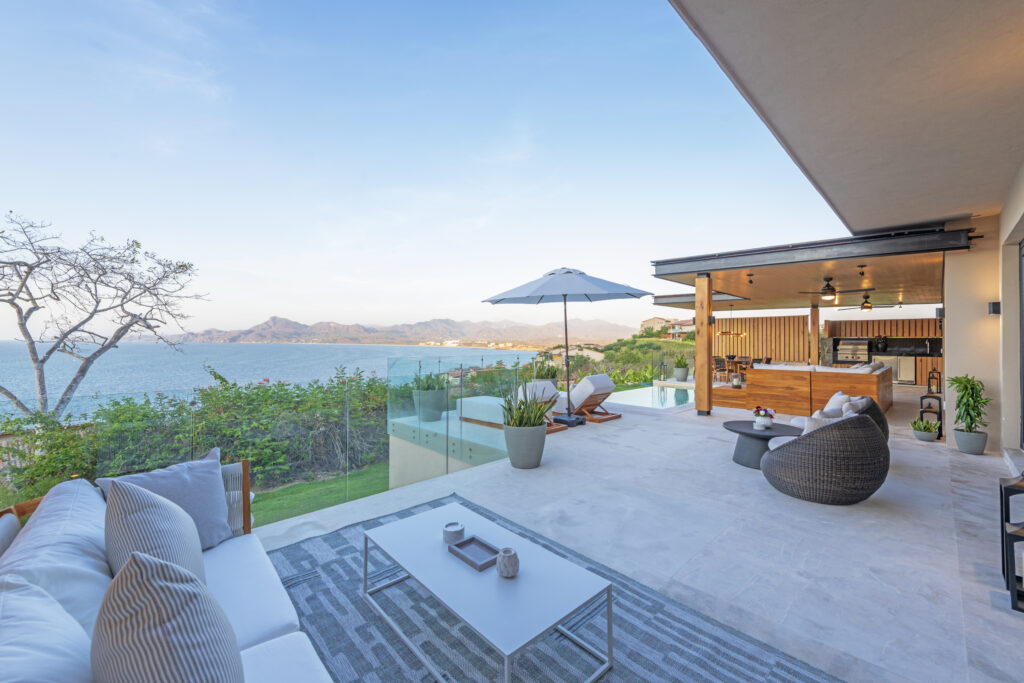
The four-bedroom home features ocean views, a private pool, outdoor living spaces, and access to golf and community amenities.
For families who want real ownership without taking on the full burden of managing a second home alone, co-ownership offers a more flexible way to approach the decision.