

A second home is usually purchased with a clear picture in mind: more weekends away, longer vacations, and a place the family can return to throughout the year.
In practice, many second homes are used less often than their owners originally expected.
Work, school calendars, travel, distance, maintenance, and changing priorities can all affect how frequently a home is actually used.
That does not make second-home ownership a bad decision.
It simply makes actual use an important part of the ownership conversation.
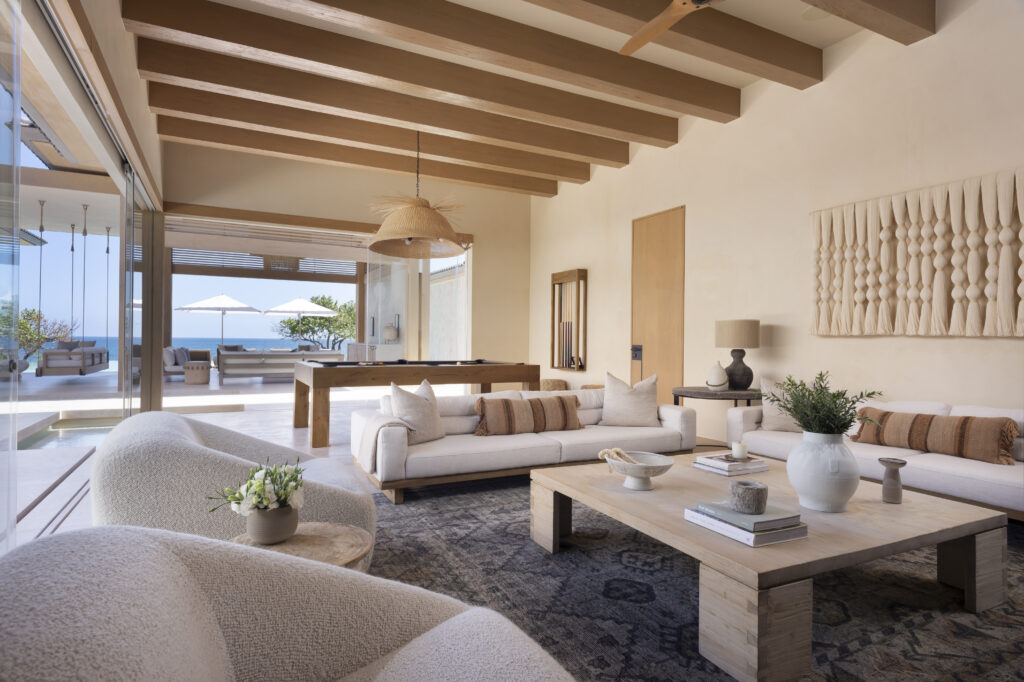
Expectations and Real Use Are Often Different
When buying a second home, it is easy to imagine using it frequently.
But everyday life tends to be less predictable.
A family may have only a few periods each year when everyone can travel together. Flights may require planning. Work commitments change. Children get older. Other destinations compete for vacation time.
Over time, the number of days spent at the home may be very different from what was originally expected.
The Home Still Requires Attention When You Are Away
An unused home is not an inactive home.
Maintenance, utilities, landscaping, pool care, inspections, repairs, insurance, and property management continue throughout the year.
In some cases, the periods when nobody is there require even more oversight.
The result is a simple mismatch:
use may be occasional, while the responsibilities are year-round.
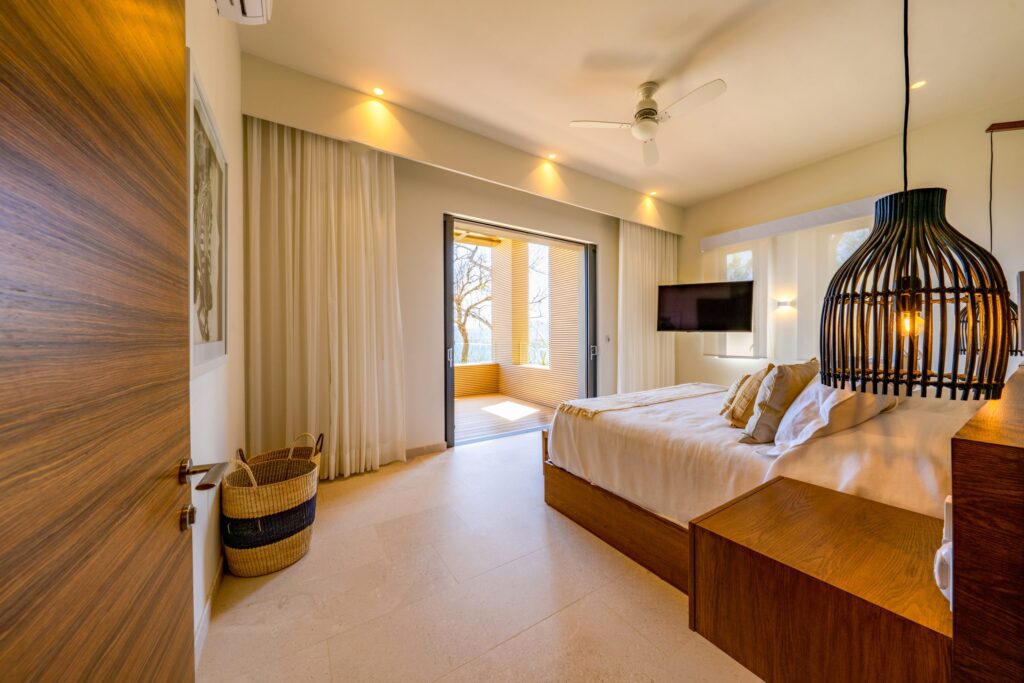
Distance Can Change How Often You Visit
Accessibility matters.
A second home that requires complicated travel may be harder to use spontaneously, even if the destination itself is ideal.
Owners should consider not only whether they love the location, but how easily the home fits into their normal travel patterns.
The easier a residence is to reach, prepare, and use, the more likely it is to become part of the family’s routine.
Ownership Should Reflect How You Actually Live
For some families, traditional ownership is still the right choice.
They may use the property extensively, want unrestricted availability, or value complete control.
For others, the home may only be used several weeks or months each year.
In that case, it can be useful to ask whether the ownership structure reflects the way the home is actually used.
That question is less about owning more or less.
It is about alignment between use, capital, and responsibility.
The Casana Approach
Casana offers a structured, professionally managed co-ownership model for high-end second homes in Mexico.
Owners acquire ownership in a specific residence through a defined legal and operating structure, while Casana manages the calendar, maintenance, administration, and day-to-day operations.
The model is designed around families who want to own a second home but may not need it available to them every day of the year.
A More Useful Question
Instead of asking only:
Can I own this second home?
It may be worth asking:
How much will I actually use it?
That answer can help determine which ownership model makes the most sense.