
For buyers who love returning to the same destination year after year, a timeshare may not be the only option.
Today, second-home buyers can choose from several ownership and access models, each with different levels of control, flexibility, financial commitment, and responsibility.
Understanding those differences can make it easier to choose the model that actually fits how you want to use a vacation home.
Traditional Full Ownership
Full ownership gives one household complete control of the property.
You decide when to use it, how to maintain it, whether to renovate it, and when to sell it.
For buyers who plan to spend significant time at the home or want unrestricted availability, full ownership can make sense.
The tradeoff is simple: one owner also carries the full cost and responsibility.
Vacation Clubs and Hospitality Models
Vacation clubs and similar hospitality models generally focus on access rather than direct ownership of a specific residence.
They may offer flexibility across multiple destinations, but the experience, legal structure, and resale characteristics can differ significantly from owning real estate.
For some travelers, that flexibility is exactly what they want.
For buyers looking for actual ownership, however, these models may not provide the same relationship to a specific home.
Co-Ownership
Co-ownership offers another approach.
Multiple owners participate in ownership of a specific residence through a defined legal and operating structure.
Instead of one household carrying the entire property, ownership, use, expenses, and management are organized among a smaller group of owners.
For families who want real ownership but do not expect to use a second home year-round, this can create a more efficient balance between capital committed and actual use.
Why Buyers Look for Timeshare Alternatives
The right second-home model depends on what the buyer values most.
Some prioritize unrestricted access.
Others care more about flexibility, ownership, lower operational burden, or a more efficient use of capital.
The key is not finding the “best” model.
It is finding the one that matches how you actually plan to use the home.
How Casana Fits In
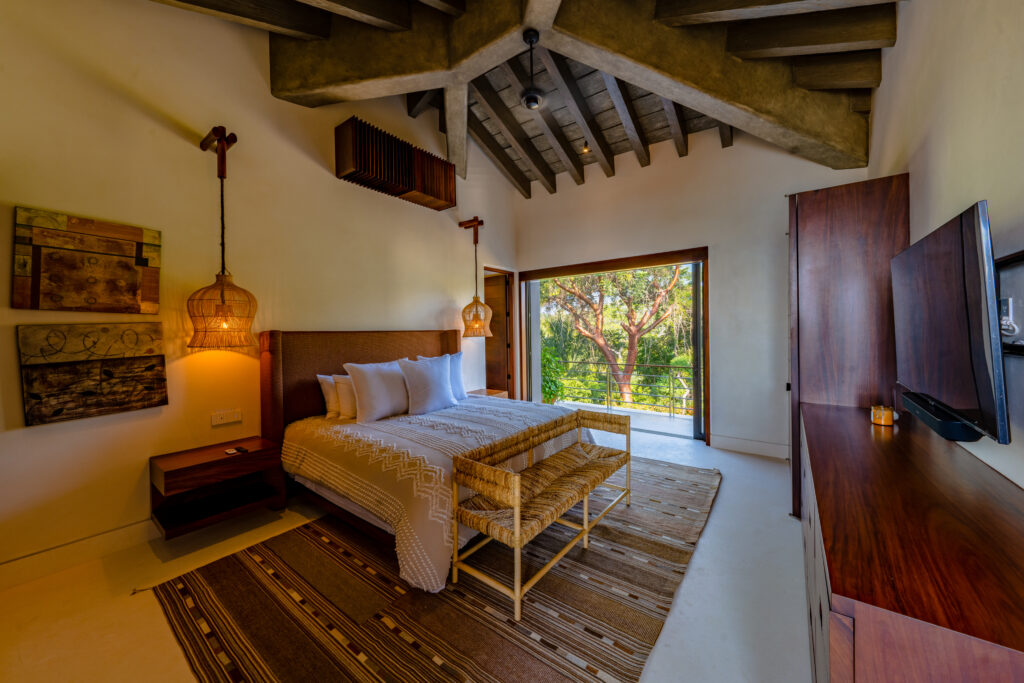
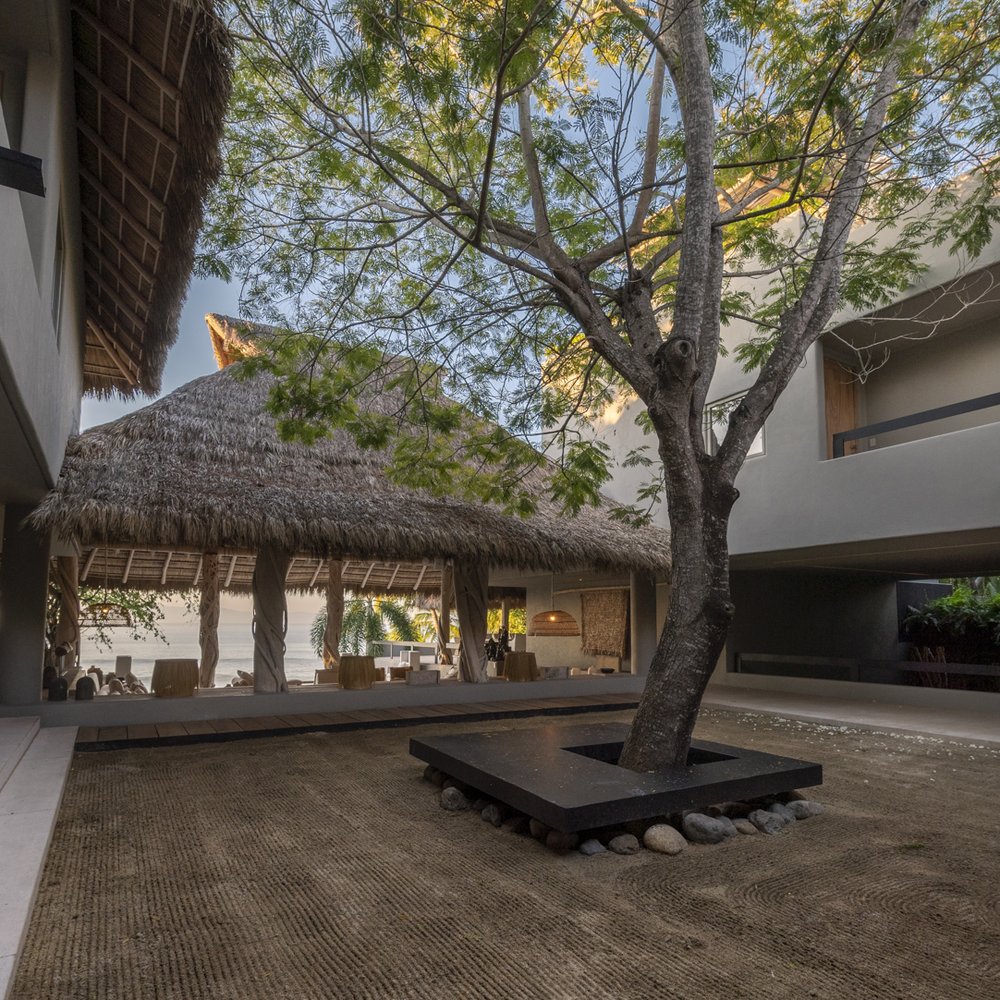
Casana is built around co-ownership of high-end second homes.
Owners participate in ownership of a specific residence, while Casana manages scheduling, maintenance, administration, and day-to-day property operations.
The goal is to combine real ownership with a more efficient and professionally managed second-home experience.
A Better Way to Compare Your Options
When evaluating timeshare alternatives, ask:
Do I want access, or do I want ownership?
How often will I realistically use the home?
How much responsibility do I want to take on?
How much capital do I want committed to a property I may only use part of the year?
Those questions usually make the right model much clearer.
Explore Casana’s approach to modern second-home ownership.
![]() | Timeshare | Full Ownership | Renting | |
|---|---|---|---|---|
| OWNERSHIP | Yes, proportional ownership (1/4 or 1/2) | No ownership, right to use | 100% owned | No ownership, temporary use |
| INVESTMENT | Lower investment flexibility to diversify | Upfront cost, no asset value | High investment, limits flexibility to diversify | Pure expense |
| USAGE | Flexible dates, 30 long notice nights + unlimited short notice | Fixed dates | Year round | Per booking |
| APPRECIATION | Capital gain potential | None | Capital gain potential | — |
| RESALE | Sell on your terms, supported by Casana | Difficult to resell, subject to terms and approvals | Sell on your terms | — |
| OWNERS | 2 to 4 owners | 50+ owners | Single owner | Unlimited renters |
| HOME EXPENSES | Lower, proportional costs | Confusing costs | Higher costs | None |
| RENTAL INCOME | Optional when not in use | None | Optional when not in use | — |
